Halloween Vampire 3D Layered Paper Cut Review
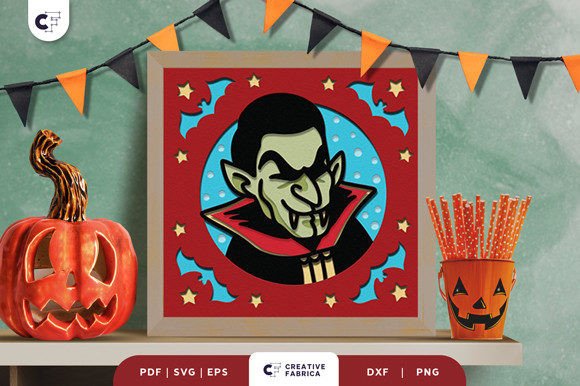
As a professional embroidery digitizer and product reviewer, I approach every new design file with a healthy dose of skepticism. When I first opened the Halloween Vampire 3D Layered Paper Cut file, my immediate thought was about translation. This asset is originally marketed as a 3D SVG for shadow boxes and laser cutting, which presents a unique challenge and opportunity for us in the needlework industry. We aren't stacking paper; we are stacking thread. The question isn't whether the vampire looks spooky on a screen, but whether those intricate, layered vectors can survive the transition to fabric without becoming a dense, puckered mess.
After analyzing the vector paths and simulating stitch outs, I see significant potential for this design, provided it is treated as an applique design or a mixed-media piece rather than a traditional full-coverage embroidery. The visual personality is striking—it captures that modern, gothic-nursery aesthetic that is currently dominating Etsy trends. However, moving from digital paper layers to textile layers requires specific technical adjustments to ensure your finished product maintains professional quality.
Translating Shadow Box Layers to Stitched Applique
The core appeal of the Halloween Vampire 3D Layered Paper Cut is its depth. In paper crafting, depth is achieved through physical spacers. In machine embroidery, we must create this illusion through contrast and texture. During my review, I evaluated how the distinct layers of the vampire’s cape, collar, and facial features would interact when stitched.
For a real-world application, I envisioned this design on a heavyweight black sweatshirt for a boutique holiday collection. A direct stitch-out of all layers using standard fill stitch would result in excessive stitch density, likely causing needle breaks or fabric distortion. Instead, this file shines when converted into a raw-edge or turned-edge applique. By assigning different fabric textures to each "paper" layer—perhaps a matte cotton for the skin and a shiny satin or velvet for the cape—you replicate the 3D effect physically. The satin stitch borders used to secure these layers must be wide enough to cover raw edges but narrow enough to maintain the delicate details of the vampire's silhouette.
Real-World Application: The Custom Tote Bag Test
To truly judge viability, I mentally walked through producing this as a tote bag design for a fall craft fair. Canvas totes are popular, but their coarse fabric texture can swallow fine details. The Halloween Vampire 3D Layered Paper Cut features intricate points on the collar and hair that could get lost on uncoated canvas.
In this scenario, stabilization is non-negotiable. You cannot rely on hoop tension alone. I recommend a cut-away stabilizer for the base and a water-soluble topping to prevent the running stitches from sinking into the weave. If you are selling this as a handmade product, consider simplifying the innermost details. While the SVG might have ten layers of shading, reducing this to three or four distinct fabric layers will make the embroidery project more durable and washable. Customers love the look of complexity, but they return products that fray after one wash cycle. For commercial use, durability equals customer trust.
Critical Limitations and Fabric Warnings
Not every substrate is suitable for this specific aesthetic. Because the Halloween Vampire 3D Layered Paper Cut relies on crisp, graphic lines, it performs poorly on high-pile fabrics like terry cloth or plush fleece unless you use a heavy stabilizer and knockdown stitch. The layers need a flat foundation to mimic the paper-cut look.
I also advise caution with baby embroidery items. While the design is adorable, the multiple layers of applique and securing stitches can create a stiff, scratchy surface against sensitive skin. If adapting this for nursery decor, place the design on a pillow cover or wall hanging rather than directly on clothing. Additionally, avoid placing this design across seams or curved surfaces like caps. The geometric precision required for the 3D effect will warp on a curved brim, ruining the optical illusion of depth. Stick to flat, stable areas for the best results.
Commercial Viability for Etsy Sellers and Makers
For the Etsy seller or small business owner, this design offers excellent versatility, but licensing and adaptation are key. Before listing any custom apparel or personalized gift featuring this vampire, verify that your source file allows for commercial use of finished goods. Assuming you have the rights, the marketability is high.
This design bridges the gap between traditional Halloween kitsch and modern home decor. It works exceptionally well for holiday embroidery collections that target adults rather than just children. Think embroidered patches for denim jackets, decorative tea towels for autumn hosting, or even framed textile art. When creating printable mockups or digital previews for your shop, emphasize the texture differences between layers. Buyers need to understand that this isn't a flat print; it’s a tactile experience. Highlighting the "layered" aspect in your product description helps justify a higher price point compared to standard embroidery designs.
Designer Notes: Technical Checklist Before Stitching
If you decide to add the Halloween Vampire 3D Layered Paper Cut to your production lineup, follow this practical checklist to avoid costly mistakes:
- Verify Hoop Size: Ensure the design fits comfortably within your hoop with at least an inch of clearance. Resizing complex layered files can distort registration points, causing gaps between layers.
- Test Thread Colors: Digital RGB colors often differ from physical thread charts. Run a color simulation in your software to ensure the vampire’s skin tone doesn't blend into the background fabric.
- Check Registration Marks: Since this mimics a 3D SVG, alignment is everything. Add extra basting boxes or alignment crosses if the original digital embroidery file lacks them.
- Evaluate Stitch Direction: Ensure fill stitches follow the contour of the vampire shape. Random stitch angles will flatten the perceived depth.
- Mockup in Black and White: View the design without color to check value contrast. If the layers look muddy in grayscale, they will look muddy in thread.
- Confirm Licensing: Never assume a 3D SVG purchase includes embroidery resale rights. Protect your craft business by reading the terms specifically for textile adaptation.
Final Verdict on Design Integrity
The Halloween Vampire 3D Layered Paper Cut is a sophisticated asset that rewards patience and technical skill. It is not a "hoop and go" file for beginners, but for experienced makers, it serves as a fantastic foundation for premium seasonal goods. The transition from paper craft logic to embroidery logic requires respecting the limitations of thread while leveraging the strengths of fabric layering.
When executed correctly, this design elevates your portfolio beyond basic seasonal novelty. It signals to buyers that you understand current design trends and possess the technical ability to execute complex visuals. Whether you are creating a signature sweatshirt embroidery line or unique design assets for fellow crafters, this vampire brings a fresh, dimensional perspective to Halloween stitching. Just remember: test on scrap first, stabilize generously, and let the fabric textures do the heavy lifting for that 3D effect.