Papercraft Roller Skates: A Designer’s Review
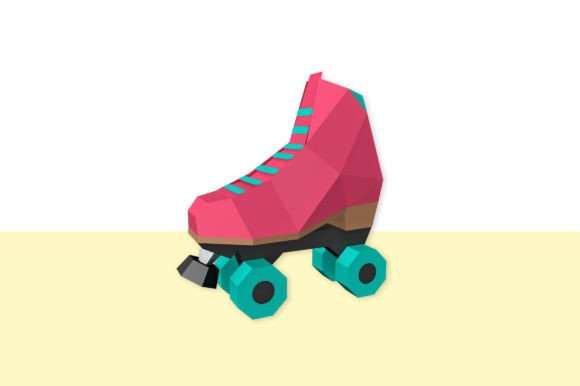
When evaluating new design assets for my studio, I often look beyond traditional stitch files to find unique inspiration. The Papercraft Roller Skates digital collection caught my eye not as a direct embroidery file, but as a versatile 3D SVG and papercraft template with immense potential for mixed-media projects. As a designer who frequently creates custom apparel and boutique merchandise, I see this product as a structural blueprint rather than a plug-and-play machine embroidery design. It offers a distinct retro aesthetic that translates beautifully into applique patterns or dimensional fabric art, provided you approach it with the right technical mindset.
Translating Paper Geometry to Thread and Fabric
My first impression of the Papercraft Roller Skates was their clean, geometric lines. In the world of shapes and 3D SVGs, this level of precision is gold for digitizers. The assembled size of 28 x 10 x 28 cm suggests a bold, substantial silhouette. For an embroidery project, this scale is perfect for statement pieces like tote bag designs or sweatshirt embroidery. However, because these are vector and PDF files intended for paper assembly, they require translation before hitting the hoop.
I recently tested this concept while preparing a custom embroidered tote bag for a local roller derby team’s fundraiser. Instead of using a generic clip-art skate, I used the DXF and EPS files from this pack to create a custom applique design. The angular nature of the papercraft model dictated where I placed my satin stitch borders and fill stitch areas. The result was a modern, stylized skate that felt architectural rather than cartoonish. This demonstrates how a non-embroidery asset can elevate a handmade product by providing a unique structural foundation that standard embroidery libraries lack.
Real-World Application for Makers and Sellers
For Etsy sellers and small shop owners, originality drives sales. Using Papercraft Roller Skates as a base for your own digitizing allows you to offer personalized gifts that stand out in a saturated market. I envision this design working exceptionally well for:
- Custom Apparel: Large back prints on hoodies where the 28cm width fits perfectly between shoulder seams.
- Nursery Decor: Dimensional wall hangings where fabric pieces are stiffened and assembled similarly to the paper version.
- Embroidered Patches: Simplifying the vector lines to create iron-on patches for denim jackets.
- Holiday Embroidery: Retro-themed Christmas stockings or gift tags that leverage the nostalgic skate aesthetic.
The included PNG files are also invaluable for creating printable mockups. Before I commit thread to fabric, I overlay the high-resolution PNG onto photos of blank garments to show clients exactly what the finished product will look like. This step builds customer trust and reduces revision rounds, which is essential for maintaining profitability in a craft business.
Technical Considerations and Fabric Limitations
While the visual appeal is high, practical execution requires caution. Because the source material is designed for paper scoring and gluing, the lines are sharp and unforgiving. When converting this to a machine embroidery design, you must account for fabric distortion. Paper does not stretch; knit fabrics do. If you attempt a direct trace without adjusting for push and pull compensation, your final skate shape may warp during stitching.
I advise against using highly detailed versions of this design on textured fabrics like terry cloth or fleece unless you increase the stitch density significantly. The crisp edges that define the papercraft style will get lost in the pile. Similarly, be wary of using this on stretchy performance wear without adequate stabilizer. The geometric rigidity of the design fights against the drape of lightweight knits. For baby embroidery or delicate items, simplify the internal facets of the skate. Reduce the number of color changes and remove tiny decorative elements that could become choking hazards or cause excessive needle perforations.
Dark fabrics present another challenge. The intricate layering inherent in 3D SVG designs often relies on shadow and depth. On black or navy material, these nuances disappear unless you use high-contrast thread colors or add a light-colored outline. Always test your adapted design on scrap fabric first. Verify that the hoop size accommodates the 28cm dimension if you plan to stitch at full scale; otherwise, resize proportionally while checking that satin stitches remain within safe width limits to prevent snagging.
Elevating Brand Value Through Unique Assets
Incorporating Papercraft Roller Skates into your workflow signals professionalism. It shows you are curating design assets rather than relying solely on pre-digitized packs. For commercial embroidery businesses, this distinction matters. Clients can tell when a design has been thoughtfully adapted versus mass-produced. The clean vector lines ensure that even when resized, the proportions remain accurate, preserving brand consistency across different merchandise types.
Furthermore, understanding the assembly time and construction logic of the original papercraft helps inform fabric choices. Knowing that the paper version takes two hours to assemble tells me the design has complexity. In fabric, this translates to higher perceived value. A finished product based on this intricate geometry justifies a premium price point compared to simple outline skates. It transforms a basic accessory into a conversation piece.
Essential Pre-Stitch Checklist for Designers
Before you load your hoop or open your digitizing software, run through this practical checklist to ensure success with Papercraft Roller Skates:
- Verify Licensing: Confirm whether the license permits commercial use of derivative works. Just because you bought the digital file doesn't automatically grant rights to sell embroidered products based on it.
- Format Compatibility: Ensure your embroidery software imports DXF or EPS cleanly. Vector nodes sometimes convert to jagged points that need smoothing before digitizing.
- Stabilizer Strategy: Match your stabilizer to the fabric weight. The sharp corners of this design require firm support to prevent puckering.
- Thread Contrast Test: Stitch out a small section in black and white to evaluate definition. If the facets blend together, adjust your thread palette.
- Mockup Validation: Use the provided PNG to create realistic previews for your listings. Accurate representation prevents returns and enhances buyer engagement.
Ultimately, Papercraft Roller Skates serves as an exceptional creative catalyst. It bridges the gap between paper crafting and textile art, offering a fresh perspective for makers tired of conventional motifs. Whether you are building a niche Etsy shop focused on retro sports gear or creating a one-of-a-kind personalized gift, treating this 3D SVG as a foundational blueprint rather than a final product unlocks its true potential. With careful adaptation and respect for fabric mechanics, this design asset can help you produce work that is structurally sound, visually striking, and commercially viable.