Sewing Machine Shadow Box 3D SVG for Branding
Evaluating the Nostalgic Charm for Handmade Business Identity
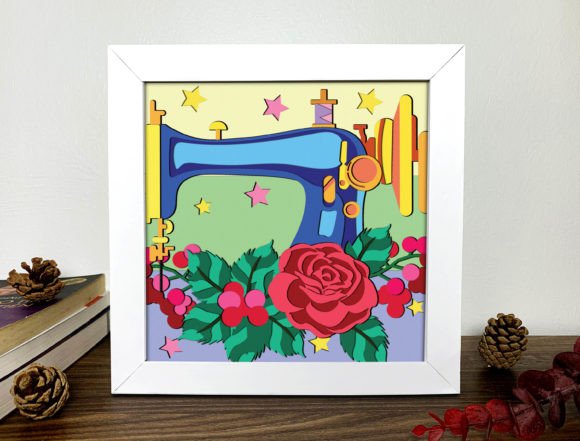
As a brand designer specializing in local commerce and artisanal markets, my first impression of the Sewing Machine Shadow Box 3D SVG is that it immediately evokes a sense of heritage, craftsmanship, and tactile warmth. This is not a sterile, corporate vector; it possesses a distinct personality that suggests patience and attention to detail. For a small business branding project, specifically within the textile, alteration, or vintage resale sectors, this graphic design asset communicates "handmade" before the customer even reads the company name. The mood is decidedly feminine yet industrious, striking a balance between soft nostalgia and functional utility. It feels authentic rather than manufactured, which is a critical distinction for creative entrepreneurs trying to build trust in a saturated market.
When reviewing this asset for a real-world client—perhaps a bespoke alterations shop or a seller of handmade quilts—I look for versatility beyond just being a pretty picture. This specific 3D SVG offers a layered depth that flat clipart simply cannot achieve. Because buyers can use paper of different colors to cut products depending on their preferences, the design allows for significant customization to match existing brand palettes. This adaptability makes it an excellent candidate for businesses that need to maintain visual consistency across various touchpoints while keeping production costs low. It suggests a brand that values tradition but embraces modern fabrication tools like Cricut or Silhouette machines to bring their vision to life physically.
Strategic Applications in Packaging and Retail Signage
In professional branding, we must move beyond decoration and focus on function. The Sewing Machine Shadow Box 3D SVG excels when applied to physical touchpoints where texture matters. For a local boutique or seamstress, this asset serves as a powerful anchor for packaging design. I envision this used as a window decal for a storefront, creating an inviting entrance that filters light through colored paper layers. In terms of product packaging, it works beautifully as a branded seal on tissue paper or as a custom hang tag attached to finished garments. The dimensional aspect of shadow boxes adds perceived value to the unboxing experience, making a simple purchase feel like a curated gift.
For marketing visuals and social media graphics, this asset provides ready-made content structure. Instead of struggling with blank canvases, a social media manager can photograph the assembled paper shadow box alongside spools of thread or fabric swatches to create engaging flat lays. This bridges the gap between digital promotion and physical reality. Furthermore, for businesses selling sewing patterns or kits, this illustration can serve as a hero graphic on website banners or Etsy listing thumbnails. It acts as a visual shorthand for what the business does, improving click-through rates by instantly signaling relevance to the target audience. When used in editorial design for lookbooks or price lists, it breaks up dense text and guides the eye through the visual hierarchy without overwhelming the essential information.
Enhancing Customer Trust Through Tactile Visuals
Trust in local business branding is often built through sensory cues. Even though this is a digital product and no actual product will be sent to the buyer initially, the end result—the physical paper creation—signals effort and care. Customers associate intricate, layered designs with high-quality service. If a tailor uses this detailed shadow box on their thank-you cards or business cards, it subconsciously reinforces the idea that they apply the same level of precision to hemming trousers or fitting dresses. This emotional connection is vital for handmade sellers who compete against fast fashion and mass-produced goods.
The asset also supports clearer brand recognition. By consistently using this specific motif across flyers, posters, and printable inserts, a business creates a proprietary symbol that becomes synonymous with their services. Unlike generic stock photos, a customized 3D paper art piece feels unique to the brand. This consistency helps in building a cohesive brand identity that looks professional and established. For seasonal campaigns, such as back-to-school mending or holiday gift wrapping services, the color flexibility allows the business to pivot visually while retaining the core recognizable shape of the sewing machine, ensuring long-term brand equity.
Optimal Placement Versus Design Caution Zones
While versatile, this graphic design asset has specific environments where it thrives and others where it should be avoided. It works best as a decorative accent, a background texture, or a standalone artistic element. Ideal placements include:
- Product Labels: As a border or watermark on fabric tags.
- Packaging Accents: Layered onto kraft paper bags or boxes.
- Social Media Campaign Graphics: As a focal point in Instagram stories or Pinterest pins.
- Boutique Visuals: Window clings or counter displays.
- Thank-You Cards: Creating a memorable post-purchase moment.
However, designers must exercise caution. The intricate nature of 3D SVG files means they can become muddy when scaled down too small. Avoid using this asset on very small labels, ingredient lists, or areas requiring legal compliance text, as the detail will be lost and legibility compromised. It is also ill-suited for formal corporate branding or luxury minimalist brands where negative space and sleek lines are paramount; here, the rustic complexity might clash with the desired aesthetic. Additionally, ensure it does not compete with primary headlines. In commercial design, the message must always take precedence over the ornamentation. If the shadow box distracts from the phone number or call to action, it fails its purpose.
Technical Due Diligence for Commercial Design Projects
Before integrating the Sewing Machine Shadow Box 3D SVG into any client work or business asset, rigorous testing is non-negotiable. First, verify the commercial license. Just because an asset is available on a creative marketplace does not automatically grant rights for unlimited product sales or large-scale advertising. Confirm the terms explicitly cover your intended use case. Next, test the file’s editability. Can you separate the layers easily? Does the SVG code contain unnecessary nodes that might cause cutting errors on plotters? Clean vectors are essential for crisp edges in paper crafting.
Print quality assessment is equally important. Test the design on the actual paper stock you intend to use. Cardstock behaves differently than vellum or textured linen. Check how the design renders in black and white; if it relies entirely on color contrast to define shapes, it may fail in single-color printing scenarios. Preview the asset next to your chosen typography. Does it pair well with a serif font for a vintage look, or a clean sans serif for modern contrast? Finally, create a full-scale product mockup before committing to bulk production. Seeing the shadow box in context with other brand elements ensures it enhances rather than detracts from the overall professional branding strategy. By treating this digital download as a serious component of your visual system rather than mere clipart, you elevate the entire presentation of your local business.