Tulip Layered Papercut File: 3D SVG Asset Review
As a digital product creator constantly scouting for reliable assets to expand my Etsy and Creative Fabrica shops, I approach every new graphic design asset with a critical eye. It is not enough for a file to simply look pretty; it must be functional, commercially viable, and technically sound for end-users. Recently, I evaluated the Tulip Layered Papercut File to determine its potential for my upcoming spring collection. When sourcing a 3D Svg for commercial product creation, the balance between aesthetic appeal and cut-file integrity is paramount. This review breaks down my real-world testing process for this specific floral asset, focusing on how it performs in a business context rather than just as a hobbyist craft.
First Impressions and Niche Market Appeal
Upon opening the Tulip Layered Papercut File, the immediate impression is one of elegant simplicity suited for the shadow box niche. Unlike flat vector illustrations, this asset is engineered specifically for depth. The design features nine distinct cut files that stack to create a dimensional flower effect. From a selling perspective, this targets a very specific buyer persona: the Cricut or Silhouette user who creates physical paper art, light boxes, or intricate greeting cards. The mood is soft, feminine, and distinctly seasonal, making it an ideal candidate for Mother’s Day, Easter, or spring wedding collections.
For digital sellers, the visual personality of this asset suggests a "premium handmade" aesthetic. It does not look like generic clipart; it looks like a specialized engineering file. This distinction is crucial when pricing digital downloads. Buyers are often willing to pay more for layered papercut files because they perceive higher value in the complexity of the layering logic compared to standard SVG designs. However, this also means expectations for technical perfection are significantly higher.
Commercial Applications Beyond Paper Crafting
While the primary function is clearly for physical cutting machines, I tested the versatility of this asset for broader commercial design applications. As a printable design, the layered tulip concept translates surprisingly well to digital planners and journaling stickers when resized and flattened. I was able to export individual layers as PNG designs to create cohesive sticker sheets for GoodNotes users. The separation of petals allows for color customization in Canva templates, enabling sellers to offer editable floral elements without violating licensing terms.
For print-on-demand sellers, the high-contrast nature of layered papercuts can work for sublimation design on mugs and tumblers, provided you simulate the shadow effects digitally. I found that using the Tulip Layered Papercut File as a base for t-shirt graphics required simplification. The intricate inner cuts that work beautifully in paper can become muddy on fabric. However, for tote bags and home decor prints where detail is preserved, the asset shines. It serves as excellent foundational illustration material for building larger design bundles or seasonal creative marketplace listings.
Evaluating Technical Quality for Resale Products
The most critical phase of my evaluation involved stress-testing the files. A beautiful 3D Svg is useless to my customers if it shreds their cardstock or crashes their software. I imported the nine cut files into both Cricut Design Space and Silhouette Studio to verify node counts and path closure. For a product described as a Flower 3D Shadow Box Layered Papercut, clean lines are non-negotiable. I looked specifically for stray nodes and overlapping paths that cause double-cuts. In this assessment, ensuring the registration marks or alignment guides are present is vital for customer satisfaction.
I also verified the file organization. When selling digital assets, how you package the product matters as much as the product itself. Customers expect clearly labeled layers (e.g., "Layer 1 - Back Petal," "Layer 9 - Center"). If the Tulip Layered Papercut File arrives with generic names like "cut001.svg," it adds friction to the user experience. As a seller, I would reorganize these files before listing them to ensure brand consistency and professional presentation. Confirming the commercial license scope is equally important; I always double-check whether the license permits selling finished physical products versus just the digital file itself.
Strategic Product Presentation and Mockups
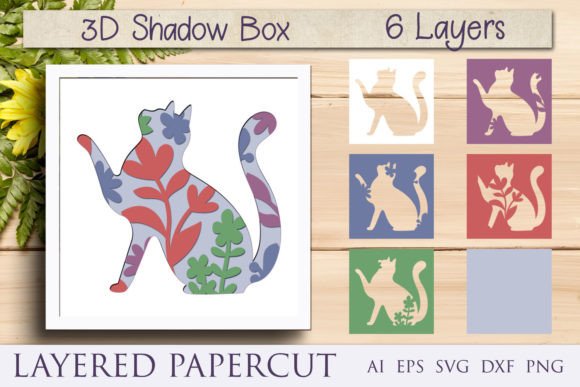
You cannot sell a 3D shadow box design effectively with a flat thumbnail. To maximize click-through potential, this asset demands rendered mockups that show depth and lighting. I tested the Tulip Layered Papercut File in a virtual shadow box scene to see if the layers aligned perfectly without gaps. Visual storytelling here is key; buyers need to visualize the final assembled product. For Etsy product listings, I recommend creating a video preview showing the stacking process. This builds customer trust and reduces pre-sale questions about assembly difficulty.
When designing listing images, pair this floral asset with complementary typography. A delicate serif font or a flowing script font enhances the romantic, organic feel of the tulips. Avoid bold, industrial sans-serifs that clash with the organic curves. Use white or pastel backgrounds to maintain visual hierarchy and ensure the intricate cuts remain visible. Dark backgrounds can obscure the fine details of papercut files unless you are specifically showcasing a light-box effect. High-quality product mockups are what separate top-tier sellers from amateurs in the digital download space.
Where This Asset Succeeds and Where to Exercise Caution
Through testing, I identified clear best-use scenarios for this graphic design asset. It excels in large-format previews, themed spring bundles, and decorative packaging design for small business branding. It is perfect for creators making nursery prints or wedding invitation suites where texture and dimension add perceived value. The asset supports a cohesive brand identity for shops focused on botanical or cottagecore aesthetics.
However, sellers should use caution in specific areas. Do not attempt to scale this Tulip Layered Papercut File down for tiny planner stickers or detailed jewelry tags; the internal bridges will fail. Avoid using it in text-heavy templates where the complex floral geometry competes with readability. Low-resolution print products will not capture the nuance of the layering, so stick to vector outputs or high-DPI rasters. Furthermore, if your target audience uses older cutting machines, provide a simplified version of the file, as intricate shadow box designs can be resource-intensive.
Final Seller Verdict and Workflow Integration
Incorporating the Tulip Layered Papercut File into a commercial shop requires preparation. Before publishing, test print the design on actual cardstock to verify fit. Check transparency on PNG exports for digital use. Ensure your social media graphics highlight the unique 3D aspect rather than treating it as flat art. This asset holds significant promise for Etsy sellers and digital product creators who cater to the paper crafting community, provided the technical execution meets professional standards.
Ultimately, this asset is a strong contender for seasonal inventory expansion. It offers the specificity needed to stand out in a saturated market while retaining enough versatility for cross-platform application. By validating the cut quality, optimizing the presentation, and respecting the technical limitations of the medium, sellers can confidently leverage this design to create profitable, high-quality merchandise and digital downloads. Always remember that in the world of digital assets, reliability sells better than novelty.