Vancouver 3D Shadow Box Paper Cut Review
First Impressions: Translating Paper Art to Thread
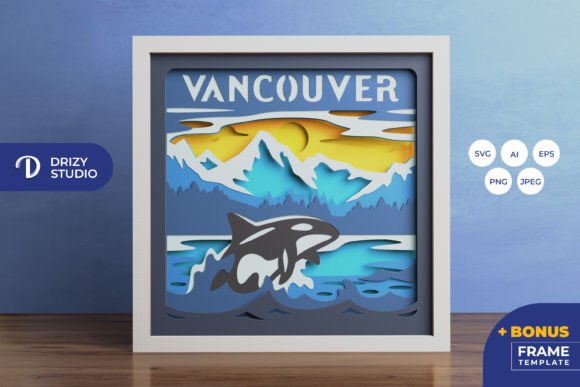
As a designer who constantly bridges the gap between digital assets and tangible textiles, my first reaction to the Vancouver 3D Shadow Box Paper Cut was one of cautious optimism. Visually, this template is stunning. The layered aesthetic of an orca breaching against a mountain backdrop captures the Pacific Northwest spirit perfectly. However, as an embroidery product reviewer, I know that what works beautifully as a 3D SVG for laser cutting or paper crafting does not always translate seamlessly into a machine embroidery design. My immediate assessment focused on whether this intricate, square layout could survive the transition from vector lines to stitch density without losing its iconic depth.
The mood is undeniably nostalgic yet modern, evoking a sense of place that appeals strongly to locals and tourists alike. For a handmade product, this design carries significant emotional weight. It feels less like generic clip art and more like a curated piece of regional artistry. The challenge, and the opportunity, lies in adapting those crisp paper-cut layers into thread paths that maintain definition on fabric rather than cardstock.
Real-World Application: Stitching a Custom Tote Bag
To truly evaluate this asset, I approached it with a specific client project in mind: a premium canvas tote bag design for a Vancouver-based boutique hotel. They wanted a welcome gift that felt authentic, avoiding the typical screen-printed souvenir look. This is where the Vancouver 3D Shadow Box Paper Cut proved its worth as a conceptual foundation for commercial embroidery.
I treated the original layered template as a guide for creating a multi-hoop applique design. Instead of trying to replicate the shadow box's physical depth with foam, I used fabric layering to mimic the visual separation of the mountains and the orca. The result was a textured, tactile piece that honored the source material while functioning as durable custom apparel accessory. During the stitching process, I paid close attention to how the mountain ridges interacted with the canvas weave. Because the original file is designed for paper, I had to manually adjust the satin stitch widths to prevent the fabric from puckering, ensuring the finished product looked professional rather than homemade. The client’s reaction confirmed that this level of detail elevates perceived value far beyond standard stock designs.
Best Use Cases for Makers and Etsy Sellers
For fellow Etsy seller entrepreneurs and craft business owners, versatility is key. Based on my testing, this design concept excels in several specific categories:
- Sweatshirt Embroidery: The square format fits perfectly on the chest or back of crewnecks. The layered look translates well to fleece, provided you use adequate stabilizer to support the weight of the design.
- Holiday Embroidery: This serves as an exceptional personalized gift for winter holidays. The orca and mountain theme aligns naturally with seasonal merchandise without being overtly Christmas-specific, extending its retail shelf life.
- Nursery Decor: Softening the color palette transforms this into ideal baby embroidery. The nature theme is gender-neutral and timeless for blankets or pillow covers.
- Embroidered Patch: Given the distinct silhouette, this artwork adapts beautifully into patches. The defined edges of the paper cut style make for clean merrowed borders when digitized correctly.
- Digital Product Previews: Even if you modify the file for stitch, the original 3D SVG remains valuable for creating high-quality printable mockup images to market your physical goods online.
Critical Considerations: Where to Proceed with Caution
While the Vancouver 3D Shadow Box Paper Cut is visually compelling, it demands respect for technical limitations. As an experienced reviewer, I must highlight areas where blind adaptation leads to failure.
Fabric Texture and Stability
This design relies on clean lines to convey the "paper cut" illusion. On highly textured fabrics like terry cloth or loose-knit linens, those fine details will get lost. I strongly advise against using this on uneven surfaces without a heavy water-soluble topping. Similarly, stretchy knits require rigorous stabilization; otherwise, the registration between the orca and mountain layers will shift, destroying the 3D effect.
Hoop Size and Detail Integrity
Do not attempt to shrink this design below its intended minimum size. The intricate separation between layers requires space. If you reduce it too much for a small cap or sleeve cuff, the fill stitch areas will merge, and the running stitch outlines will become muddy. Always verify your hoop size capabilities before purchasing or digitizing. If you are working with curved surfaces like caps, the flat, square geometry of this shadow box template may distort unless you re-digitize specifically for cylindrical framing.
Thread Color Contrast
Paper cuts rely on shadows for depth; embroidery relies on contrast. On dark fabrics, the subtle layering effect can vanish entirely. You must test thread colors aggressively. A tone-on-tone approach that works on white paper might look flat on navy cotton. High contrast is often necessary to replicate the visual hierarchy of the original 3D SVG.
Designer Notes for Professional Results
Before listing any item featuring this design in your shop or delivering it to a client, adhere to these practical protocols:
- Test on Scrap Fabric First: Never run this design directly on a final garment. The complexity of layered elements means tension issues are likely. Use the exact fabric and stabilizer combination intended for the final piece.
- Verify Licensing: Since this originates as a paper-cutting template, confirm explicitly that you have the rights to create derivative embroidery files for commercial sale. Do not assume a personal use license covers small shop product sales.
- Check Stitch Density: If you are digitizing this yourself from the SVG, watch your density settings. Paper templates have zero thickness; thread does not. Overlapping layers in software can result in bulletproof stiffness that ruins drape.
- Mockup in Black and White: Before committing to color, view your digitized version in grayscale. If the orca doesn't pop against the mountains without color differentiation, your structural digitizing needs adjustment.
- Inspect Small Details: Zoom in at 100% magnification. Ensure no individual stitch columns are thinner than your needle width, especially in the mountain peaks and fin details.
Elevating Brand Value Through Thoughtful Adaptation
Ultimately, the Vancouver 3D Shadow Box Paper Cut represents more than just a pretty picture; it is a test of a maker's ability to interpret mixed-media art into textile form. When executed correctly, it signals to customers that your brand understands both local culture and technical craftsmanship. It moves beyond generic tourism merch into the realm of collectible art.
For creative entrepreneurs, this design offers a unique selling proposition. It bridges the gap between the trending paper-craft aesthetic and the enduring appeal of embroidery. However, success depends entirely on your willingness to treat the source file as a blueprint rather than a finished map. By respecting the differences between paper and thread, checking your digital embroidery file parameters, and validating performance on real textiles, you transform a simple template into a signature embroidery project that builds customer trust and showcases genuine expertise. Whether you are making a keepsake tea towel or a line of boutique apparel, let the integrity of the stitch honor the beauty of the original design.